
Resisting U.S. Aggression: Building Stronger Communities
How Local Networks Can Strengthen Canada’s Resilience in Uncertain Times

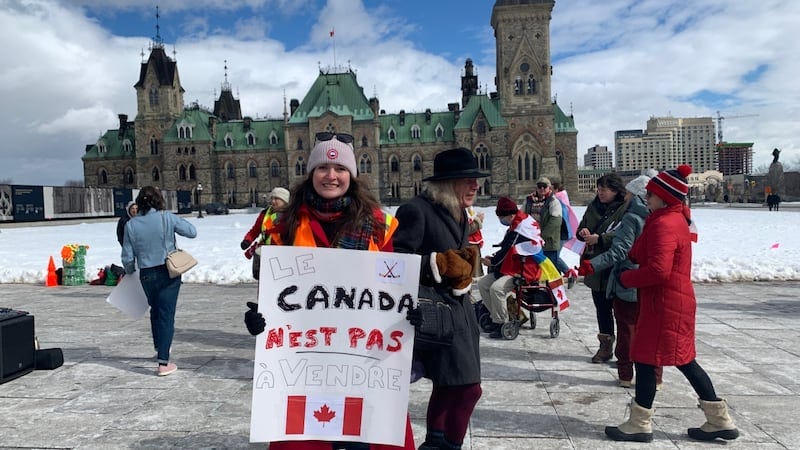
A Surreal Reality: Facing the Unthinkable
If you’re like me, when you think about the days since Trump took office, you probably find yourself thinking, I can’t believe this is where we are—facing the very real possibility of war with the United States of America. It feels surreal, like the plot of a well-written fiction novel. This is precisely why so many people remain in denial, telling themselves this will pass, desperately hoping for a return to normal.
The Economic War We Are Already In
The reality is that we are already in an economic war with the U.S., one in which their ultimate goal is our economic collapse, leaving us vulnerable and ripe for the taking. Many Canadians—desperate to reclaim their former lifestyles—would likely welcome the U.S. with open arms in such a scenario.
Times are going to get harder, and some will do anything to avoid enduring those difficulties. In fairness, very few people alive today have personal experience with hardships like the Great Depression or the world wars. Most cannot recall what life was like, nor the sacrifices made—not just by those who fought but by those at home struggling to sustain the economy and society.
Lessons from the Past: My Great-Grandmother’s Preparedness
As an early Gen Xer, I was fortunate to know my grandparents and great-grandparents and to hear their stories about WWI, WWII, and the Great Depression.
I was twelve years old when my great-grandmother moved in with her son, as living alone had become too difficult for her. My mother and grandmother had to prepare her house for sale, and, of course, I tagged along. To this day, I vividly remember cleaning out her kitchen cupboards and drawers, discovering an excessive number of balls of string, elastics, bread bags, and twist ties.
When I asked my grandmother why Nanny had kept all these things, she explained that living through the Great Depression and two world wars had taught her never to throw away something she might need later. No matter how good life had become, my great-grandmother understood its fragility—that it could all disappear in an instant. If it did, she wanted to be as prepared as possible.
Why We Need to Build Strong Communities Now
As a society, we lack the lived experience and generational memory of preparing for and enduring difficult times. If we hope to push back against the U.S. and build a strong resistance, we must focus on strengthening our communities.
If you’re a subscriber or have read my previous posts, you’ll know I write extensively about the importance of community—how to build it and, most recently, Building Community in Challenging Times. As we navigate an increasingly volatile global landscape, the need for strong, resilient communities has never been more critical.
Charlie Angus: A Voice for Resistance
I was encouraged to see Charlie Angus, Member of Parliament, emphasize the importance of community in resisting U.S. threats in his post, The Art of the Deal Meets the Art of War. I deeply appreciate Charlie’s Substack because he often articulates what I’m thinking. It gives me hope to see someone in public office recognizing and openly discussing the urgent issues we must address if we want to build a strong Canadian resistance.
The Role of Local Resistance Groups
In Charlie’s post, he calls these groups ‘Elbows Up’ teams and describes how these regional groups “could host public rallies and local meetings to spread ideas that strengthen economic resistance.”
I believe we need to take this idea a step further. Local resistance groups should serve as decentralized, community-based hubs focused on preparedness, survival, and resistance against external threats. These groups wouldn’t just react to crises but would proactively build resilience and self-sufficiency. Their work would fall under three broad categories:
1. Sustenance and Self-Sufficiency
Establishing local food production, such as community gardens and co-ops
Strengthening local supply chains to reduce reliance on imports
Promoting skills like food preservation, sustainable farming, and bartering
2. Strategic Knowledge and Education
Teaching history, governance, and the mechanisms of resistance
Developing leadership and organizational skills
Training people in emergency response and disaster preparedness
3. Defence and Communication Networks
Creating decentralized communication channels in case of information blackouts
Organizing community patrols to prevent external threats
Developing cyber-resilience to counter misinformation campaigns
In future posts, I will delve into how to start organizing these groups, exploring each category in detail and outlining specific activities that groups can undertake to support these objectives.
Learning from History: Resistance Movements That Made a Difference
Resistance movements have long been a powerful force against occupation and authoritarianism. From the French Resistance during WWII to the Solidarity movement in Poland, history shows that communities that prepare, organize, and mobilize can push back against overwhelming odds.
Canada has its own history of resistance, from the Red River Resistance to the Oka Crisis—moments where communities stood firm in the face of oppression. We need to learn from these examples and apply their lessons to our current situation.